
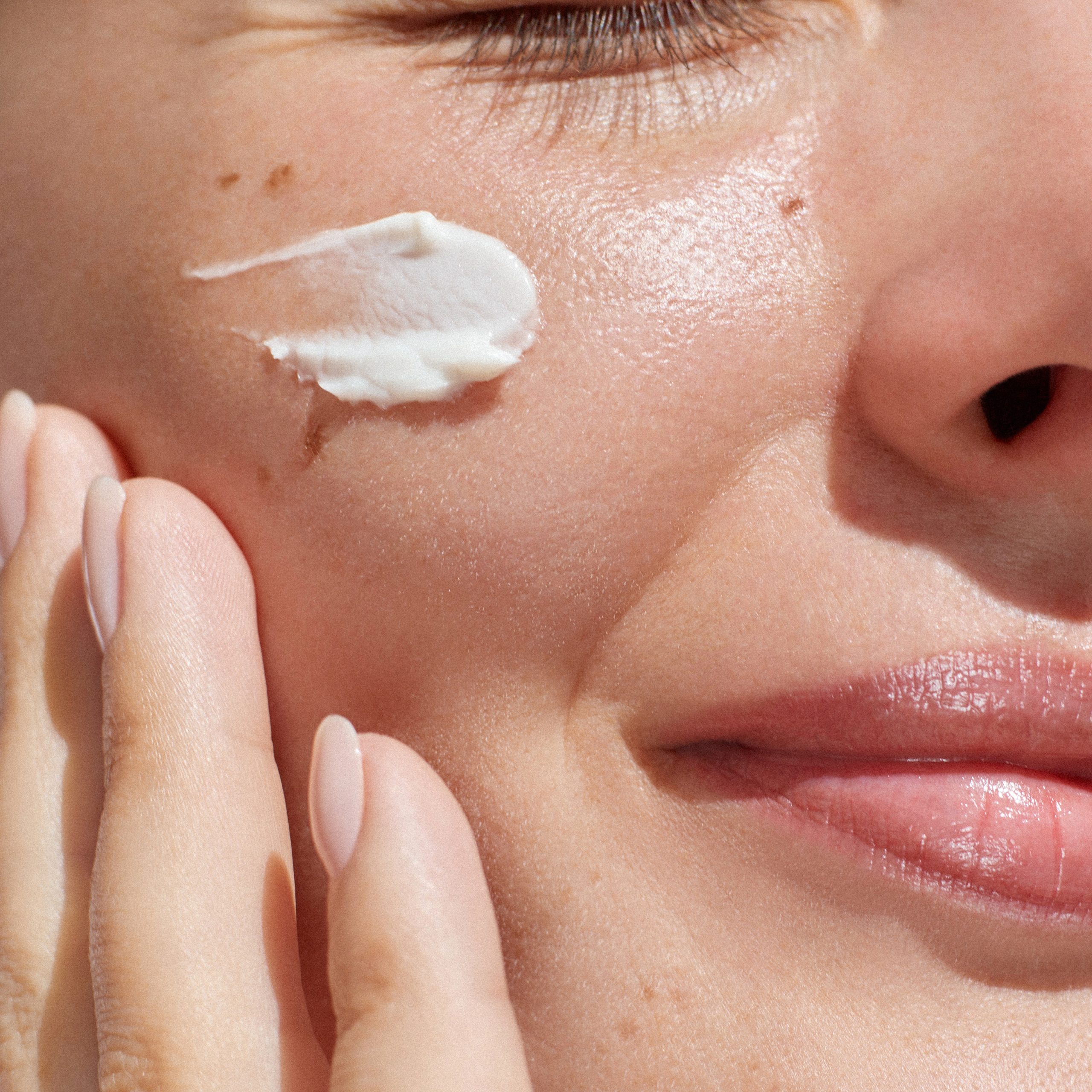
With spring almost here and summer right behind, warmer temperatures and stronger UV rays mean more time enjoying sunny days outdoors. Whether you’re heading to the pool, beach, or simply enjoying the sunshine, protecting your skin should always be a top priority.
While many of us love relaxing in the sun, it’s easy to forget one of the most important steps in any summer skincare routine: applying sunscreen. It’s something most of us have heard since childhood, and for good reason. No matter your age, high-SPF sunscreen is essential for protecting your skin from harmful UV rays, which are especially intense during the summer months.
At dermani MEDSPA®, we believe that proper sun protection is one of the most effective ways to maintain healthy, youthful-looking skin.
What Is SPF and Why Does It Matter?
SPF stands for Sun Protection Factor, which measures how well a sunscreen protects your skin from the sun’s ultraviolet (UV) rays.
The higher the SPF, the greater the protection. For example:
- SPF 30 means your skin will take approximately 30 times longer to burn than it would without sunscreen.
- SPF 50 and above blocks roughly 98% of harmful UV rays.
However, it’s important to understand that no sunscreen provides 100% protection. Even with high SPF, it’s still possible to burn, which is why reapplying sunscreen every two hours (and after swimming or sweating) is essential.
Because the UV index in the United States is highest during spring and summer, dermatology and skincare professionals often recommend using SPF 50 or higher for optimal protection.
Chemical vs. Physical Sunscreen: What’s the Difference?
When choosing sunscreen, one of the biggest distinctions is between chemical sunscreen and physical (mineral) sunscreen. Each has unique benefits depending on your skin type and lifestyle.
Chemical Sunscreen
Chemical sunscreens work by absorbing into the skin, where they convert UV rays into heat and release it from the skin.
Benefits include:
- Lightweight feel on the skin
- Easy to layer with makeup and other skincare products
- Ideal for daily wear
However, chemical sunscreens may irritate sensitive skin in some individuals, and certain active ingredients can occasionally trigger allergic reactions.
Physical (Mineral) Sunscreen
Physical sunscreens sit on top of the skin and work by reflecting UV rays away from the skin’s surface.
Common active ingredients include:
- Zinc oxide
- Titanium dioxide
These sunscreens are often recommended for:
- Sensitive skin
- Acne-prone skin
Physical sunscreens also work immediately upon application since they do not require absorption time.
However, they may feel slightly heavier on the skin and can sometimes leave a white cast, particularly on deeper skin tones.
Moisturizer With SPF vs. Regular Sunscreen
Many skincare products today include SPF, but it’s important to understand that moisturizer with SPF and standalone sunscreen are not the same.
Moisturizer With SPF
Moisturizers that contain SPF are great for daily indoor activities such as going to the office or running errands. While they provide some protection, they are typically not designed for prolonged sun exposure.
Dedicated Sunscreen
A full sunscreen product is formulated specifically to block UV rays effectively. These products usually offer:
- Higher SPF levels
- Water and sweat resistance
- Easy reapplication throughout the day
- Multiple formats like sprays, gels, and lotions
During summer—when the UV index is highest—SPF 50 or higher sunscreen is strongly recommended.
That said, there’s no harm in layering both moisturizer with SPF and a dedicated sunscreen for extra protection.
Additional Summer Skincare Tips for Healthy, Glowing Skin
Protecting your skin from the sun is essential, but a complete summer skincare routine includes a few other important steps.
Focus on Hydration
Heat and sun exposure can quickly dehydrate your skin. Look for ingredients like:
- Hyaluronic acid
- Aloe vera
- Gel-based moisturizers
These ingredients help replenish moisture and keep your skin looking refreshed.
Double Cleanse Your Skin
If you’re wearing sunscreen, makeup, or spending time outdoors, a double cleanse can help remove buildup and keep your pores clear.
Start with a gentle cleanser to break down sunscreen and makeup, followed by a second cleanse to remove remaining impurities.
Opt for Lightweight Makeup
Heavy makeup can feel uncomfortable in hot weather. Instead, consider:
- Oil-free primers
- Tinted SPF products
- Lightweight formulas instead of full-coverage foundation
These options help your skin breathe while still offering coverage.
Choose Summer-Friendly Facials
Certain treatments are especially beneficial during the warmer months. At dermani MEDSPA®, we often recommend:
- Hydrating facials like HydraFacial®
- Oxygen facials like our O2 Lift
- Light chemical peels like our seasonal enzyme peels
- Dermabrasion-based facials like DiamondGlow®
These treatments help maintain healthy skin while typically involving minimal downtime. As always, proper SPF protection is essential after any facial treatment.
Get Expert Summer Skincare Guidance at dermani MEDSPA®
At dermani MEDSPA®, our licensed estheticians are professionally trained through accredited esthetics programs and ongoing advanced education. Our skincare experts can help you create the perfect summer skincare routine tailored to your skin type and lifestyle.
Whether you’re looking for:
- Professional facial treatments
- The best sunscreen for your skin type
- Personalized skincare recommendations
- Tips to maintain healthy, glowing skin all summer long
Our team is here to help! Find your nearest location and book your free skincare consultation today! Let our experts help you protect and enhance your skin all spring and summer long.